Window pouch: when a clear window helps sales and when it hurts
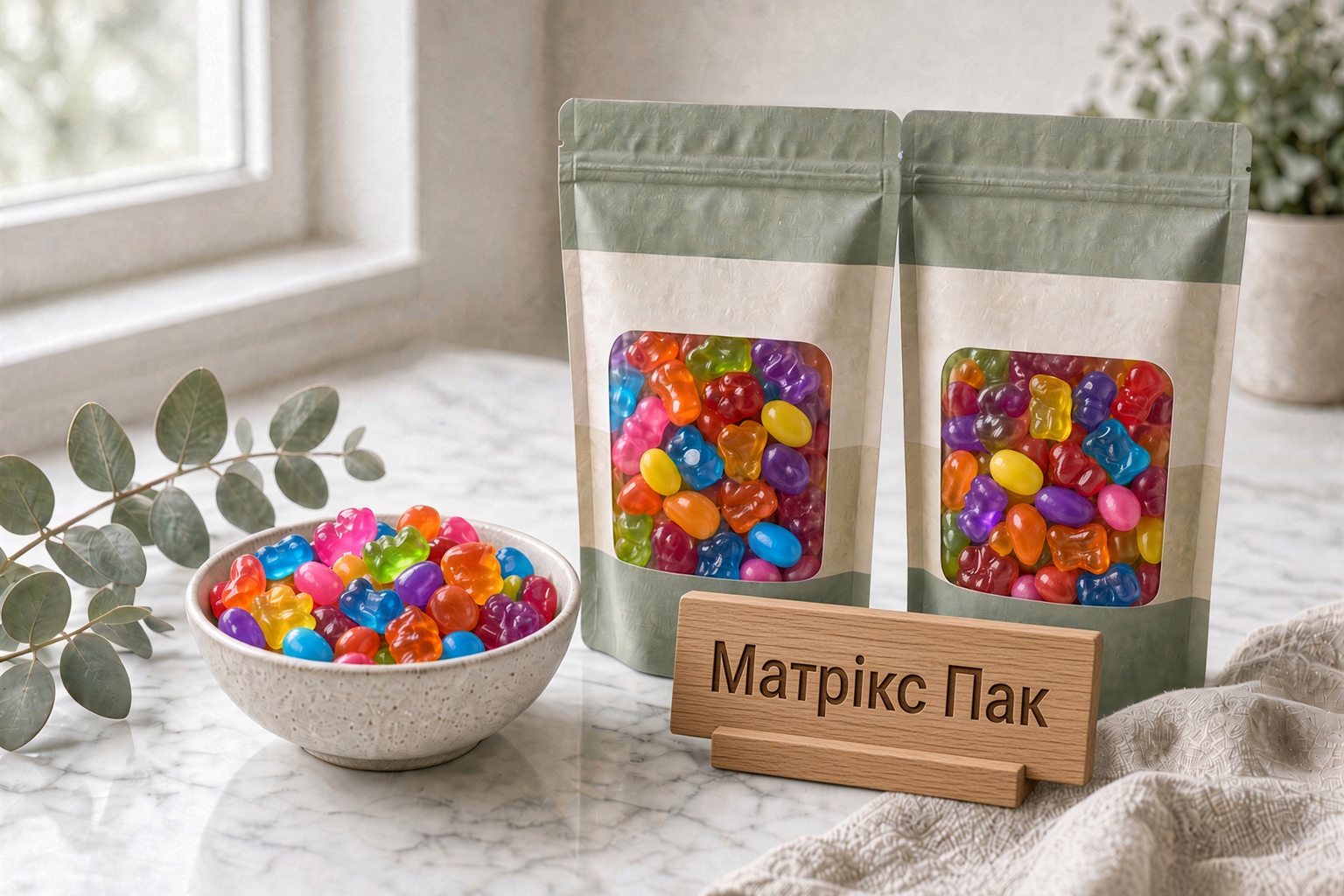
A clear window on a pouch looks appealing: the shopper sees the product at once. But it is not a free option. Light enters the pack through the window, and with it comes the risk of losing freshness faster. Let us look at when a window really works for sales and when it is better to keep the pouch opaque.
A window lets the buyer see the product and builds trust when the product looks appetizing. But the clear area has a weaker barrier and lets in light, which spoils fats, aroma and colour. So a window suits light-stable products, while for sensitive ones it is made small, tinted or left out altogether. The decision always depends on the specific product and its shelf life.
Why have a window at all
The main reason is simple: people want to see what they are buying. When even coffee beans, large nuts or bright dried fruit show through the window, the product sells itself. A window creates a sense of honesty, as if the brand has nothing to hide, and helps you stand out among fully wrapped competitors.
So a window works best where the look of the product is part of its value: nice shape, colour, grind, texture.
The trade-off: window versus barrier
Now the other side. In an ordinary barrier pouch the product is protected by a metallized or foil layer that lets through neither oxygen nor light. A clear window is essentially a hole in that protection:
- Weaker barrier. In the window area the protection against oxygen and moisture is lower than in the rest of the pouch.
- Light. This is the main enemy. UV and bright light speed up the oxidation of fats, destroy vitamins, fade colour and weaken aroma.
For a product with a short or medium shelf life this is often not critical. But for sensitive goods that must sit for months, a window can noticeably cut real freshness.
Which products a window suits
A rough rule of thumb: a window suits products that look good and are not too afraid of light.
| Good fit | Pasta, nuts, dried fruit, granola, sweets, snacks, pet treats, whole coffee beans in moderate volumes |
| With care | Products with fats and aroma, where the window should be small or tinted |
| Better without a window | Roasted ground coffee, oils, long-shelf products very sensitive to light and oxygen |
How to do a window wisely
If the product is a little sensitive but you really want a window, there are middle-ground solutions:
- Make the window small, just to hint at the contents rather than open up the whole pack.
- Use a tinted or UV-absorbing window: it shows the product but cuts out the most harmful light.
- Place the window on the back or side, away from direct light on the shelf.
- Make sure the window does not cover mandatory information: ingredients, allergens, shelf life.
Honestly about the effect on sales
A window is a tool, not a magic button. Research shows that a clear area does not always raise the urge to buy: it all depends on whether the product looks appetizing through the window. A neat, attractive product a window will highlight, while an uneven or dull one it may actually put a shopper off. So before making a big window across the whole run, it is worth looking at the product honestly through the buyer's eyes. Tell us what you are packing and for what shelf life, and we will advise whether a window is needed at all, what to make it and where to place it so it helps rather than harms.
Thinking about a window pouch?
We will advise whether your product needs a window and select its size and material. Artwork design is free.